Lifestyle and scene generation
Product placed in generated environments and contexts, at a volume that would be prohibitive to shoot.

Reliable Remote Staffing
Since 2004
AI-Generated Product Imagery & Visual Content
Generative imagery is genuinely good at context and genuinely bad at your specific product. It will invent a plausible variant of your item — a different handle, an extra seam, a logo that is nearly right — and do it confidently.
That makes the useful split clear. Backgrounds, scenes, lifestyle context and campaign variations are where these tools save real money. The product itself usually needs to be the real photograph, composited in.
StaffCloud works that way by default, with designers finishing every asset, and with commercially-licensed tooling for client work because provenance matters when the image ends up on a paid placement.
Product placed in generated environments and contexts, at a volume that would be prohibitive to shoot.
Model and in-use imagery generated and refined, with the product itself held accurate rather than regenerated.
Size, format and seasonal variants produced from an approved master, so a campaign ships in every placement it needs.
Every asset finished by a designer — proportions, logos, materials and the small wrongness that makes generated imagery read as generated.
Commercially-licensed generators used for client work, with the tooling per deliverable recorded so provenance is documented rather than remembered.
Assets delivered to each channel's size, crop and content rules rather than one master resized and rejected.
Each of these starts as the plain pack shot on the left. The scene is generated around the product, with the product itself unaltered — the shape, finish and proportions have to survive, or the image is not a picture of the thing being sold.

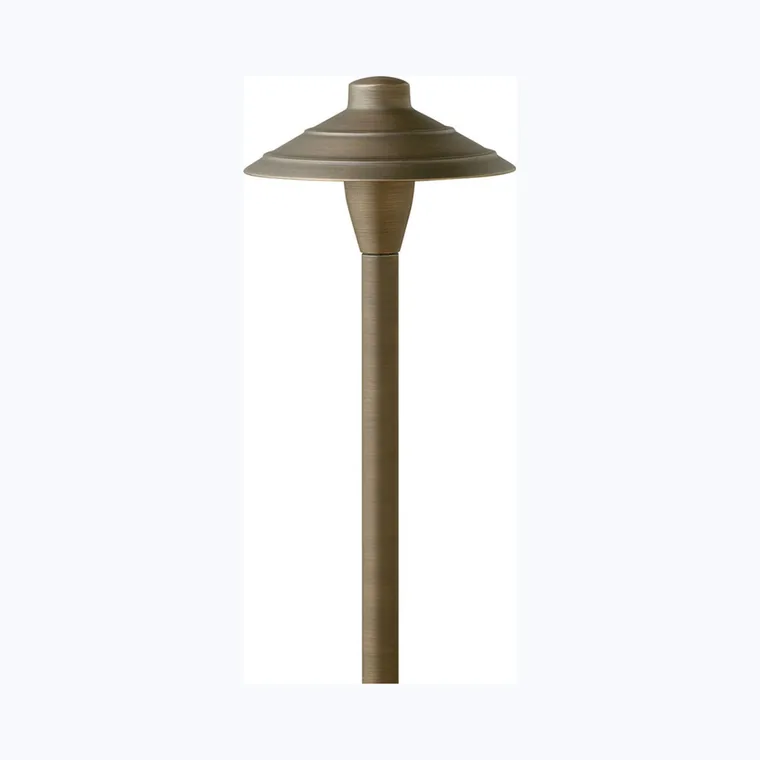
Brass path light placed into a generated planted border, with the throw of the light and the ground shadow built to match the fitting.

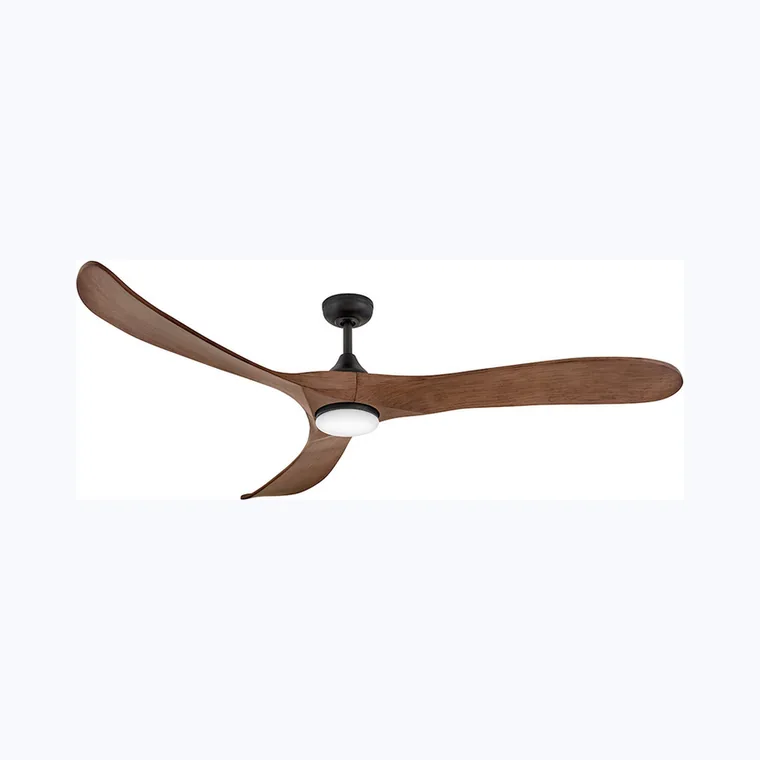
Pack shot dropped into a generated room with the ceiling, light direction and blade scale matched to the fitting.

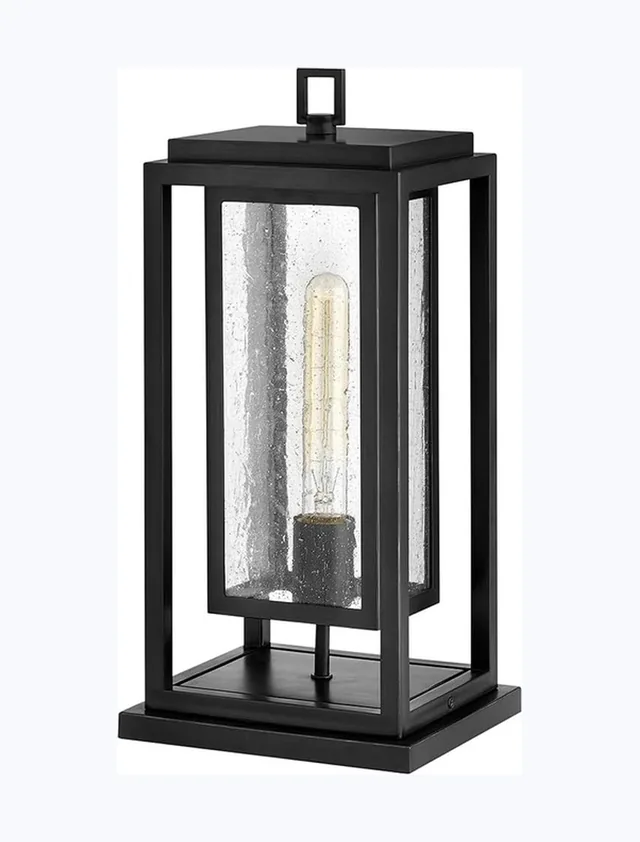
Pier-mount lantern set on a generated stone pillar at golden hour, with the seeded glass and filament holding their character.

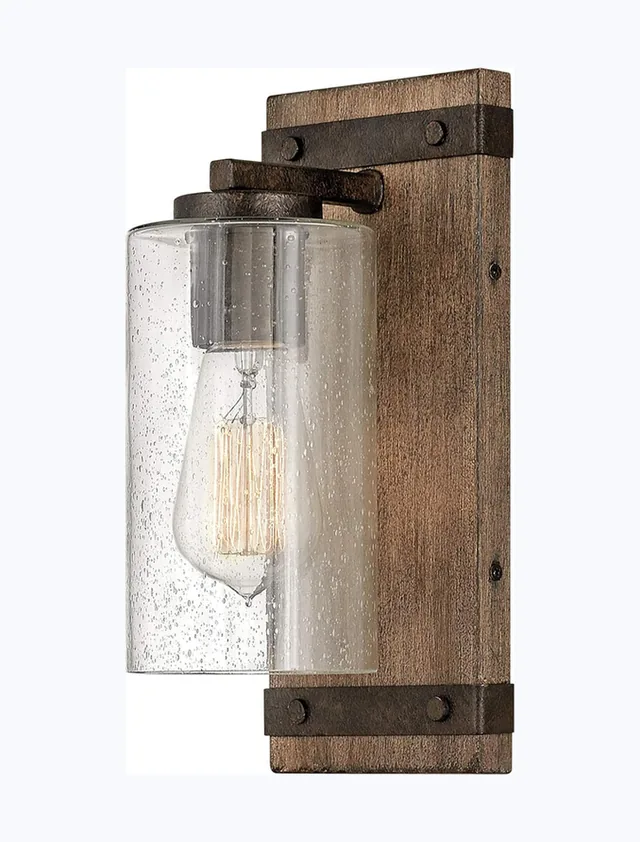
Wall sconce placed into a generated bathroom, with the shiplap, mirror and daylight built around the fitting's own scale.
Client work is published with the client's permission. Product names and marks belong to their owners.
What is being produced, what the product truth is, and which parts must be photographic rather than generated.
A small batch generated and reviewed, so direction and quality are agreed before volume.
Volume generation with designer finishing on every asset, not a sampled review.
Assets delivered to channel specification with the generation method recorded per deliverable.
Not on the product shot. On the forty contexts you would otherwise have to build or shoot.
The pod works inside your stack. These are the systems this team uses day to day — if yours is not listed, we will learn it.
The things worth knowing before the first call.
Describe the workload in a sentence and we will point you at the right team — or tell you honestly if it is not something we should take on.
Ask usUsually we should not, and StaffCloud will say so. Models approximate, and an approximated product creates returns and damages trust.
The dependable approach is real product photography composited into generated context. The customer sees the product exactly as it is, in a setting that would have been expensive to shoot — which is where the saving genuinely comes from.
It depends on the generator's terms, which is why StaffCloud uses commercially-licensed tools for client work and records what was used on each deliverable.
Where a tool's terms are ambiguous, we raise it with you rather than assume the permissive reading. You end up with a record of how each asset was made, which is what you need if the question is ever asked.
With a properly finished composite, no. With unrefined generation, increasingly yes — people are getting noticeably better at spotting it.
That is the argument for the refinement step rather than for concealing the method. An image that reads as machine-made undermines the product it is selling, whatever it cost to produce.
That depends on your market and sales channel, and some platforms now require it explicitly.
StaffCloud tells you what was generated on every deliverable so you can meet whatever obligation applies to you. We are not in a position to advise on your regulatory position, but you will always have the information needed to take that advice.
Yes, working from a reference set you provide.
Most of that matching is done by the designer at the finishing stage rather than by the generator. Generation on its own rarely lands a specific house style consistently across a set, which is why the human step is where the budget is best spent.
Those are where generation is weakest, so StaffCloud keeps them photographic rather than generated.
We identify which elements of a brief fall into that category before work starts, so you know up front which parts need real photography. That avoids the round of revisions that follows when a generated logo or label turns out almost, but not quite, right.
Tell us the workload
We will map the roles, the hours and the cost, and come back within one working day.
Or submit an enquiry — the full form, with a service line