Colour correction and consistency
Colour brought to an agreed target with batch-to-batch consistency checked, which is what makes a catalogue read as one catalogue.

Reliable Remote Staffing
Since 2004
Product Photo Retouching & Enhancement
Retouching a product photo is a craft. Retouching forty thousand of them consistently is a process, and the two need different things — the second needs the decisions written down.
Catalogue retouching fails in ways that only show up in aggregate: a white that is slightly warm in one batch, a shadow angle that shifted when a new editor joined, a crop ratio that drifted. Each image passes; the catalogue does not.
StaffCloud works to a specification agreed on a pilot batch — colour targets, shadow treatment, crop and margin rules, export settings per channel — with sampled QA against it and defect types reported back.
Colour brought to an agreed target with batch-to-batch consistency checked, which is what makes a catalogue read as one catalogue.
Natural, drop and reflection shadows produced to a defined treatment, applied the same way across the range.
Dust, marks and sample defects removed to an agreed line — with the line explicit, since over-retouching is its own returns problem.
Framing and product-to-frame ratio standardised so a grid of your products looks deliberate.
Per-destination sizes, backgrounds and file rules met on export, rather than one master resized and rejected.
The specification treated as a living document, versioned, with edge-case decisions recorded.
Each pair is the frame as it arrived beside the frame that went back. These are production files, not demonstrations built for this page.
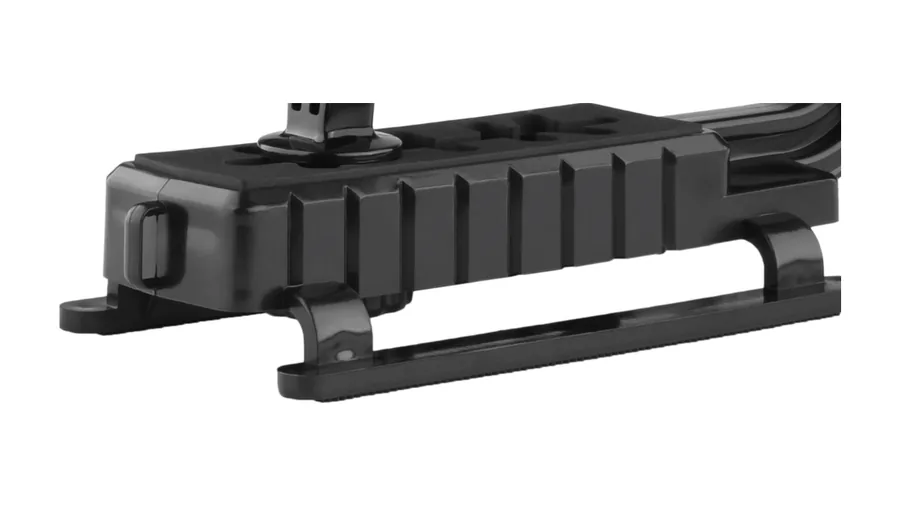
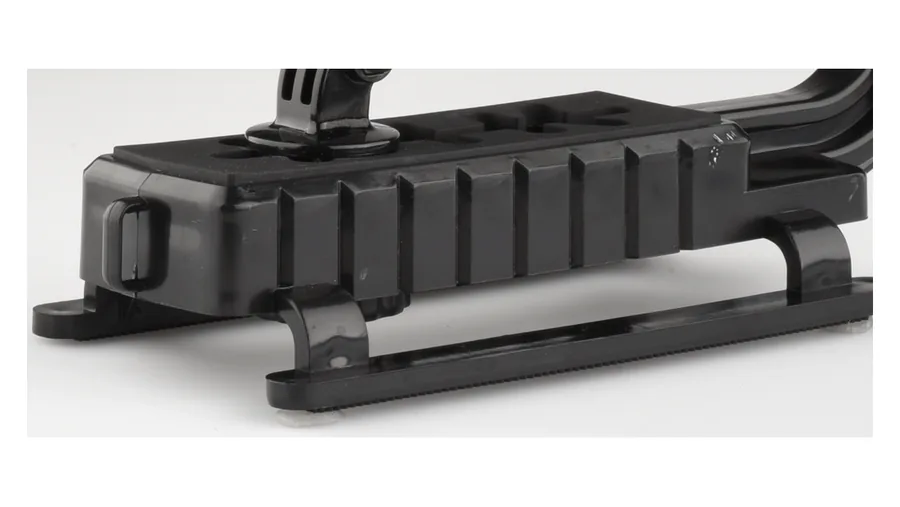
Studio frame cleaned up for a marketplace listing: background neutralised, the sweep's shadow and seam taken out, edges and moulding detail held rather than smoothed away.
Client work is published with the client's permission. Product names and marks belong to their owners.
A pilot batch including your awkward product types, reviewed together, producing a spec that has survived real images.
Colour targets, shadow treatment, crop rules and export settings agreed with worked examples.
Volume work to the spec with sampled QA on an agreed cadence.
Recurring defects reported and the spec revised, so the same correction is not made indefinitely.
Twenty products that look like they belong to the same brand, rather than twenty good photographs.
The pod works inside your stack. These are the systems this team uses day to day — if yours is not listed, we will learn it.
The things worth knowing before the first call.
Describe the workload in a sentence and we will point you at the right team — or tell you honestly if it is not something we should take on.
Ask usTurnaround is agreed per engagement against your actual volume and image mix, and StaffCloud commits to a specific figure once we have seen the work.
That is deliberate. A published turnaround that gets renegotiated at the first difficult batch is worth less than one agreed with your images in front of us. You get a number you can plan a launch around.
Yes, working from a reference set — provided your existing catalogue is consistent with itself.
Where it is not, the first job is agreeing which existing images represent the standard. That sounds like a small step and usually is not, but without it "match the catalogue" means something different to every person who looks at it.
That is a commercial decision, and StaffCloud puts it to you explicitly rather than leaving it to the retoucher.
An image that flatters beyond the real product drives returns, and returns cost more than the image saved. Agreeing where the line sits at the start means every batch is finished to the same standard rather than to whatever each person thought you wanted.
Yes. Skin and hair work is a different skill from product cleanup, so StaffCloud scopes and prices it separately.
Folding it into a catalogue rate is how either the quality or the commercials come unstuck partway through. Scoping it openly means you can decide how much of your budget belongs there rather than finding out later.
Those are the hard cases, and StaffCloud puts them into the pilot on purpose.
Glass, chrome and transparent packaging break specifications that work perfectly well on everything else. Discovering that on twenty images costs very little; discovering it on two thousand costs a reprocess and a delayed launch.
Yes, and it usually gives a better result than a processed JPEG.
Raw files leave far more latitude for colour correction and for recovering detail in highlights and shadows. Where the original capture was imperfect, that headroom is often the difference between a usable image and a reshoot.
Tell us the workload
We will map the roles, the hours and the cost, and come back within one working day.
Or submit an enquiry — the full form, with a service line